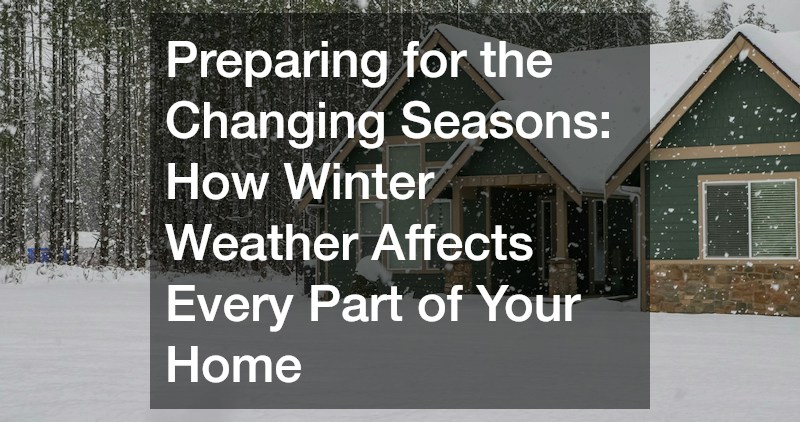
Winter can affect nearly every part of a home, from the roof overhead to the pipes behind the walls. Snow, ice, freezing temperatures, wind, and moisture can create problems that may not be obvious until the weather has already become severe. Preparing before conditions deteriorate gives homeowners an opportunity to identify vulnerable areas, address maintenance concerns, and reduce the likelihood of preventable damage.
A thorough seasonal inspection can help identify problems while they are still manageable. By working through the major areas of the home before winter arrives, homeowners can create a practical maintenance routine that supports comfort, safety, and reliable operation throughout the colder months.
Clear Snow and Ice Before It Creates Property Hazards
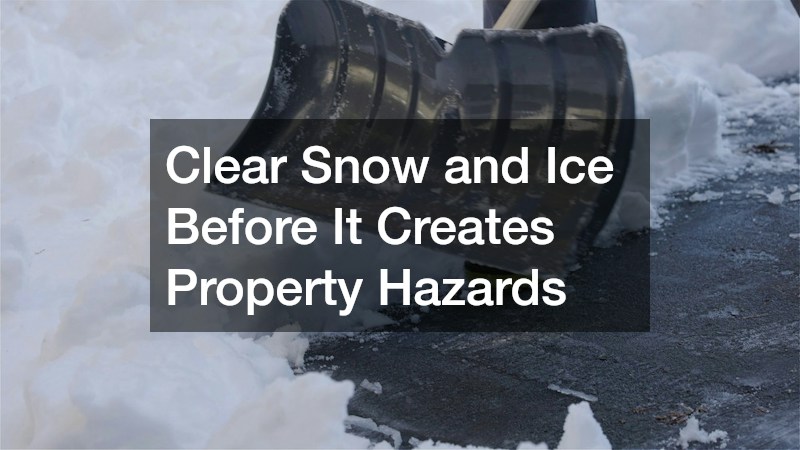
Snow and ice can quickly transform ordinary parts of a property into difficult and potentially hazardous areas. Walkways, driveways, stairs, patios, and entryways should all be inspected before winter weather arrives. Areas that collect runoff deserve particular attention because water can freeze when temperatures drop again, creating slick surfaces even after the original snow has been cleared.
A consistent approach to snow and ice management can make winter maintenance more predictable. Rather than waiting for significant accumulation, establish a routine for checking the property after storms and during periods of fluctuating temperatures. Pay particular attention to areas used frequently by household members, guests, and service providers.
Useful preparation steps include:
- Identify walkways that require frequent clearing
- Keep snow-removal equipment accessible
- Check outdoor lighting around stairs and entrances
- Watch for refreezing after daytime melting
- Keep drainage paths clear of accumulated debris
Homeowners should also consider where cleared snow is placed. Piling snow against entrances, vents, drainage points, or other vulnerable areas can create additional problems as it melts. Keeping these locations accessible throughout the season can make it easier to manage changing conditions safely.
Prepare Trees and Branches for Winter Storm Conditions
Trees can become particularly vulnerable when winter storms combine snow, ice, and strong winds. Branches that appear stable during mild weather may become heavily burdened after precipitation accumulates. Weak or damaged limbs can also pose a concern when they extend above roofs, driveways, walkways, vehicles, or other frequently used areas.
A seasonal inspection provides an opportunity to identify obvious concerns before a major storm arrives. Look for dead branches, damaged limbs, leaning trees, or growth that has become entangled with structures or utility equipment. Trees close to the home deserve particular attention because falling branches can damage roofing materials, siding, windows, and other exterior components.
Before winter, consider:
- Inspecting branches over roofs and walkways
- Looking for visible cracks or damaged limbs
- Checking trees that have previously suffered storm damage
- Clearing debris from around the base of trees
- Arranging an evaluation from a local tree service when concerns are beyond routine homeowner maintenance
Professional assistance can be particularly useful when branches are large, elevated, close to structures, or otherwise difficult to reach safely. Addressing questionable growth before heavy snow and ice accumulate can reduce the number of potential problems that need attention during a storm.
Inspect the Roof Before Snow and Ice Accumulate
The roof provides one of the home’s primary defenses against winter weather, making its condition especially important before temperatures fall. Small areas of damage can become more difficult to address once snow, ice, and freezing temperatures are present. A seasonal inspection can reveal problems that may otherwise remain unnoticed until water enters the home.
Start by looking for visible signs of deterioration around the roof surface and its components. Missing or damaged materials, deteriorated flashing, blocked drainage areas, and damaged vents can all warrant further attention. Inside the home, check ceilings and attic spaces for stains, dampness, or other indications that moisture may already be getting through.
A pre-winter inspection can include:
- Checking roofing materials for visible damage
- Inspecting flashing around penetrations and edges
- Looking for signs of moisture in attic spaces
- Clearing debris from accessible drainage areas
- Checking roof-related vents for visible obstructions
Professional roofing assistance can be appropriate when damage is difficult to evaluate from ground level or when repairs involve areas that should not be accessed without proper equipment. Addressing concerns before severe weather arrives can help protect the interior of the home and reduce the chance that an existing weakness becomes a larger winter problem.
Protect Plumbing From Freezing Temperatures

Freezing temperatures can place considerable stress on plumbing, particularly in areas where pipes are exposed to cold air. Plumbing located along exterior walls, in garages, crawl spaces, attics, or other poorly heated areas may require additional attention before a prolonged cold spell.
Homeowners should identify vulnerable plumbing and check for signs of existing problems. Reduced water flow, unusual sounds, visible moisture, or damp areas may indicate an issue that should be investigated. Knowing where the main water shutoff is located is also important because quick action can limit water damage if a pipe fails.
Before winter arrives:
- Identify pipes located in vulnerable areas
- Insulate exposed plumbing where appropriate
- Check for existing leaks or damaged connections
- Know the location of the main water shutoff
- Keep vulnerable areas adequately heated
- Address damaged plumbing before temperatures fall
If pipes have repeatedly developed problems or existing materials have deteriorated, a repair may not be the most appropriate long-term solution. In some circumstances, pipe replacement may be necessary to address an ongoing weakness. Having plumbing concerns evaluated before freezing conditions intensify can help homeowners avoid dealing with an emergency when temperatures are at their lowest.
Reduce the Risk of Winter Slips, Falls, and Property Injuries
Winter conditions can change the way people move around a property. Snow, ice, melting precipitation, and refreezing can create hazards on otherwise familiar surfaces. Stairs, walkways, driveways, ramps, and entrances deserve regular attention throughout the season, especially when temperatures repeatedly move above and below freezing.
Homeowners should inspect these areas before winter and correct obvious maintenance concerns. Loose handrails, uneven surfaces, damaged steps, inadequate lighting, and areas where water regularly accumulates can become more problematic when combined with snow or ice.
A seasonal safety check can include:
- Inspecting steps and handrails
- Checking exterior lighting
- Identifying areas where water collects
- Clearing pathways after storms
- Watching for ice that forms after daytime melting
- Keeping frequently used entrances accessible
If someone is injured after slipping or falling on a property, the circumstances surrounding the incident may raise questions about responsibility, maintenance, and available legal options. People dealing with an incident may choose to speak with the best slip and fall attorneys to understand how the circumstances of their particular situation could affect their rights.
Know What to Do After a Winter-Related Accident
Even with careful preparation, winter accidents can happen. When someone is injured on or around a property, immediate attention should focus on the person’s condition and obtaining appropriate medical care. Once immediate concerns have been addressed, documenting what happened can help preserve useful information about the incident.
Weather and surface conditions can change quickly, so details that seem obvious immediately afterward may become difficult to establish later. When practical, photographs of the area, visible snow or ice, damaged surfaces, lighting conditions, and other relevant circumstances can provide useful documentation. Written notes about when and where the incident occurred may also help preserve details.
After an accident, consider:
- Seeking appropriate medical attention
- Photographing the location when practical
- Recording the date and approximate time
- Documenting visible hazards
- Keeping relevant communications and records
- Avoiding unnecessary alterations to the area before conditions are documented
The circumstances of every incident are different. A person who has suffered a winter-related injury may want to consult an injury attorney to discuss the facts of the situation and understand what legal considerations may apply. Keeping accurate records can make it easier to explain what occurred without relying entirely on memory.
Get Your Heating System Ready Before Temperatures Drop

Heating equipment becomes one of the home’s most important systems once temperatures fall. Waiting until the first major cold spell to discover that a system is struggling can create an uncomfortable situation and potentially leave a household without adequate heat when demand is high.
Before winter, test the heating system and pay attention to changes in performance. Rooms that no longer heat evenly, unusual sounds, repeated cycling, strange odors, or other unexpected changes can indicate that further evaluation is needed. Filters should also be checked and replaced or cleaned according to the equipment manufacturer’s recommendations.
Seasonal preparation can include:
- Testing the heating system before severe cold arrives
- Checking filters and replacing them as needed
- Confirming that thermostats operate properly
- Paying attention to unusual noises or odors
- Checking that vents and registers are unobstructed
- Scheduling professional service when performance changes occur
Heating repair services can address problems that might otherwise become more disruptive during periods of heavy system use. Taking care of known issues before winter settles in also gives homeowners more time to address maintenance concerns without waiting for an emergency.
Check Your Home’s Water Quality and Treatment Equipment
Winter preparation should also include equipment responsible for maintaining household water quality. Water treatment systems may contain filters, tanks, connections, and other components that require periodic attention.
Start by checking the system for visible leaks, unusual changes in water quality, or components that appear damaged or overdue for maintenance. Homeowners should also review any available service records to determine whether filters or other replaceable components are approaching their expected maintenance interval.
Consider these seasonal checks:
- Inspect treatment equipment for visible leaks
- Check filters and other replaceable components
- Look for damaged or loose connections
- Monitor changes in water appearance, taste, or odor
- Protect equipment from freezing conditions
- Keep service and maintenance records current
Water treatment companies can evaluate equipment when homeowners notice changes or are uncertain about maintenance requirements. Addressing concerns before winter conditions become severe can help prevent avoidable equipment problems and keep the home’s water system operating as expected throughout the season.
Inspect Ventilation Components for Proper Airflow
Ventilation plays an important role in maintaining appropriate airflow throughout a home, yet exterior openings can be easy to overlook during seasonal maintenance. Leaves, debris, snow, ice, and other obstructions can interfere with vents and prevent systems from functioning as intended.
Before winter, inspect accessible exterior ventilation openings and make sure they are not covered or blocked. Pay attention to locations that are especially exposed to falling leaves or accumulating snow. Interior vents and registers should also remain unobstructed by furniture, storage items, or other household materials.
A seasonal ventilation check can involve:
- Inspecting accessible exterior openings
- Removing visible leaves and debris
- Checking for snow or ice accumulation
- Keeping interior registers unobstructed
- Looking for signs of moisture around openings
- Reviewing equipment-specific maintenance recommendations
A conservation vent should also be inspected according to the requirements of the particular system in which it is installed. Because ventilation components can serve different purposes depending on the equipment and home design, homeowners should follow manufacturer instructions and seek professional assistance when a component is difficult to evaluate or maintain safely.
Plan Fuel Needs Before Winter Demand Increases
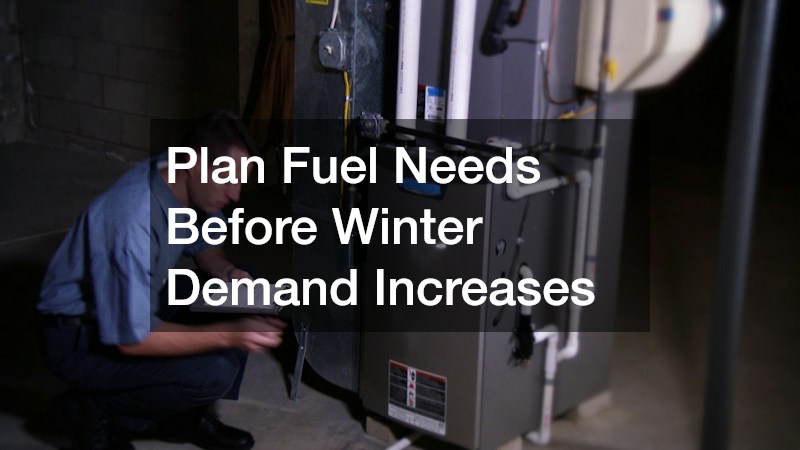
Homes that rely on fuel for heating require another layer of seasonal planning. Running low during a period of severe weather can create an unnecessary disruption, particularly when temperatures remain low for several consecutive days.
Access to tanks and delivery areas should also be considered. Snow, ice, stored materials, vehicles, or landscaping can make access more difficult for delivery personnel. Keeping necessary routes clear before a scheduled delivery can make the process easier and reduce avoidable obstacles.
Before winter, homeowners can:
- Review previous seasonal fuel usage
- Monitor remaining fuel levels
- Schedule deliveries before supplies become critically low
- Keep access routes clear
- Inspect accessible equipment for visible concerns
- Maintain records of deliveries and service
Planning heating oil deliveries can be particularly useful before major storms or extended periods of freezing weather. Homeowners should also pay attention to any changes in heating performance that could indicate a separate equipment issue. Seasonal fuel planning works best when it is considered alongside the broader maintenance needs of the heating system.
Winter preparation does not have to happen all at once. Creating a checklist and working through the property systematically can make seasonal maintenance more manageable. By addressing known concerns early and paying attention to changing weather conditions throughout the season, homeowners can be better prepared for the effects winter can have on nearly every part of the property.