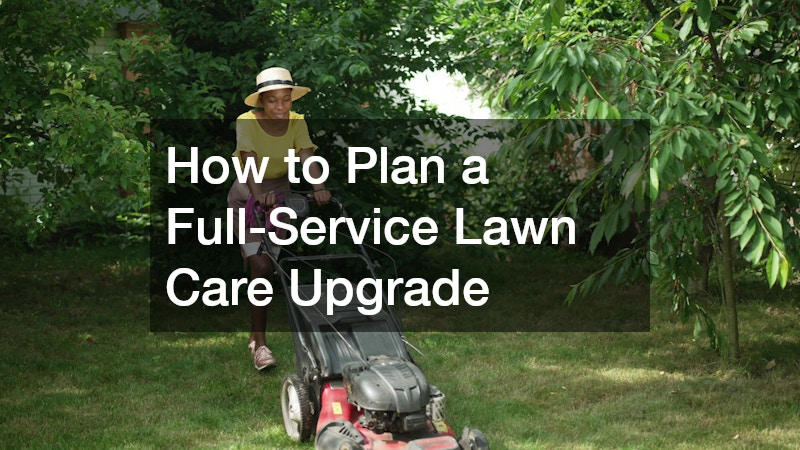
Transforming a residential landscape from a simple patch of grass into a professional-grade outdoor sanctuary is an endeavor that combines artistry with environmental engineering. A full-service upgrade is not merely a cosmetic enhancement; it is a structural and biological overhaul of your property’s exterior. When homeowners decide to move beyond basic maintenance, they are choosing to invest in their property’s long-term value, its ecological health, and their own quality of life. This level of renovation requires a strategic approach that addresses everything from the deep subterranean layers of the soil to the height of the tree canopy. The difference between a simple yard and a managed estate lies in the details of the planning phase, where every variable from drainage to wind patterns is taken into account to create a sustainable and beautiful environment.
The journey to a perfect lawn begins with a shift in perspective. Instead of viewing the yard as a collection of chores, successful planners view it as an integrated ecosystem where every element—water, soil, structure, and light—must work in harmony. Planning a project of this scale can take months of preparation before the first shovel hits the ground. You must consider the seasonal timing of your plantings, the availability of high-quality materials, and the specialized labor required to install complex systems. This guide provides an in-depth look at the phases of a professional upgrade, ensuring you have a roadmap to navigate the complexities of design, infrastructure, and installation while avoiding the common pitfalls that lead to wasted time and resources.
Evaluating Your Property’s Current Potential
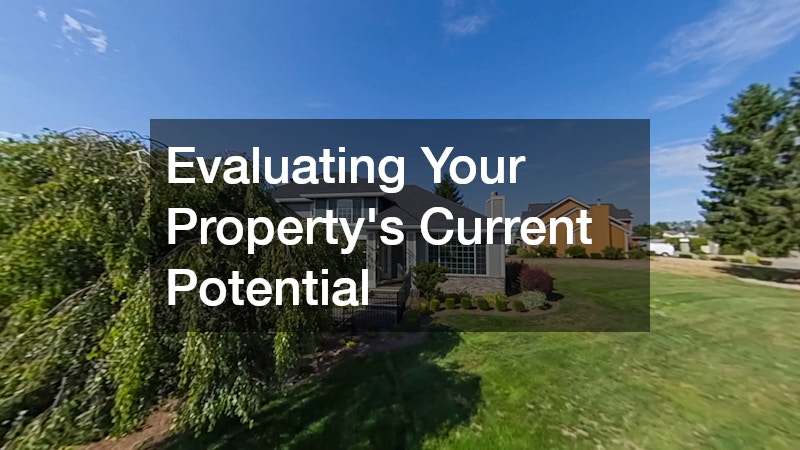
The first phase of a high-end upgrade is a comprehensive diagnostic audit. You cannot build a sustainable landscape without understanding the unique limitations and opportunities of your specific site. This involves more than just a quick walk around the perimeter. You should observe your yard over the course of several weeks, noting the movement of the sun throughout the day, the prevailing wind patterns that might dry out certain areas, and how the ground handles moisture after a heavy storm. Identifying low spots where water stagnates is critical, as these areas can rot the roots of expensive new turf or become breeding grounds for pests.
During this investigative period, many homeowners find it beneficial to consult with a professional landscaping service to perform a formal site analysis. These experts use specialized tools to map out drainage gradients and identify micro-climates within your yard—areas that may be significantly hotter, cooler, or wetter than the rest of the property due to the shadows of the house or the proximity of paved surfaces. This data allows you to select plants and materials that are naturally suited to your environment, reducing the need for chemical interventions later on. A professional can also conduct an analysis of your soil’s compaction levels, determining if the earth is too dense for root penetration or if it requires deep mechanical intervention before planting begins.
Beyond the initial design, you must consider the long-term commitment to professional lawn care. A full-scale upgrade often introduces high-performance turf varieties and delicate ornamentals that require a more sophisticated touch than a standard maintenance routine. Identifying existing fungal or pest issues that could infect new plantings is a vital part of this early stage. You should also plan for flow optimization, thinking carefully about how foot traffic will move through the space. By planning paths and transition zones early, you can prevent “desire paths” from forming, which often lead to compacted soil and dead grass in high-traffic areas. Assessing whether your current grass species are appropriate for your local climate and usage levels will save you from trying to maintain a lawn that is fundamentally unsuited to your backyard’s environment.
Preparing the Foundation through Site Clearing
Once the plan is finalized, the physical work begins with the demolition and preparation phase. This is often the most dramatic part of the project, as years of neglect or outdated landscaping are stripped away to reveal the true shape of the land. It is tempting to jump straight into planting, but skipping the preparation phase is a recipe for future disaster. You must remove invasive species, dead wood, and old structures that might interfere with your new vision. This is the time to address uneven ground and hidden debris that could interfere with mowing or root growth in the years to come.
For properties that have significant overgrowth or are expanding into previously unmanaged areas, professional land clearing is the most efficient way to reset the environment. This process involves the removal of brush, stumps, and underground debris that could rot and cause sinkholes or pest infestations later. Clearing the land properly ensures that the grading of the yard can be corrected, allowing water to flow away from your home’s foundation and into designated drainage areas. During this phase, professionals might use heavy machinery to level out steep slopes or create tiered garden beds that make a hilly yard more usable and easier to irrigate.
Do not overlook the vertical dimension of your landscape. Trees act as the “ceiling” for your outdoor spaces, providing shade and privacy, but an unmanaged canopy can become a liability. Engaging a certified tree service early ensures a professional health evaluation and the removal of hazardous limbs that threaten structures. Technicians also use crown thinning to increase sunlight for the lawn and improve wind resistance. Additionally, stump grinding prevents old roots from disrupting new irrigation or fencing. Finally, professional health maintenance, like deep-root fertilization, helps established trees withstand the stress of nearby construction and soil modifications.
Engineering Modern Hydration Systems
The longevity of a high-end landscape is almost entirely dependent on its water management system. Even the best-designed yard will fail if it relies on inconsistent, manual watering methods that lead to cycles of drought and over-saturation. As climates become more unpredictable and water costs rise, a smart hydration strategy is no longer a luxury—it is a requirement for protecting your significant financial investment in your property’s greenery.
The center of this strategy is a professional irrigation system installation. Unlike the basic oscillating sprinklers of the past, modern systems use precision-engineered zones to deliver the exact amount of water needed by different plant types. Drip irrigation is often used for flower beds and shrubbery to minimize evaporation and prevent fungal growth on leaves, while high-efficiency rotating nozzles provide uniform coverage for the turf areas. These systems often include smart weather-sensing technology that automatically skips watering cycles during rain or high humidity, saving thousands of gallons of water annually. By installing moisture sensors directly in the soil, the system can ensure that the water only runs when the plants actually need it, preventing the root rot associated with over-watering.
For properties with large acreage or those located in areas with high municipal water costs, homeowners are increasingly looking toward independent and sustainable water sources. Professional water well drilling provides a dedicated, high-pressure water supply specifically for the landscape, keeping it separate from the home’s potable water. This allows for consistent hydration even during city-mandated water restrictions, ensuring that your expensive sod and rare ornamentals remain lush through the hottest months of the year. When planning for a well, you must consider the yield requirements to ensure the well can produce enough gallons per minute to support all irrigation zones simultaneously. You also need to test for mineral content that could stain your hardscapes or affect soil pH, and plan for the electrical infrastructure and pump integration needed to run the system efficiently across the entire property.
Hardscaping and Defining Property Boundaries
With the underground infrastructure in the ground, the “bones” of the landscape begin to take shape. Hardscaping refers to the non-living elements of your yard—patios, walkways, retaining walls, and outdoor kitchens. These features provide the functional space where you will actually spend your time, serving as the floor and walls of your outdoor living area. They also provide the visual contrast and clean lines needed to make the organic, green elements of your yard truly stand out.
Executing these structural elements requires the specialized skills of landscaping contractors who understand the complex physics of the earth. Building a stone wall or a paver patio isn’t just about stacking materials; it’s about managing weight, soil pressure, and water runoff. A poorly built patio will settle and crack within two seasons, while a professionally installed one can last a lifetime. These contractors also handle the complex tasks of grading the land to ensure that your new “outdoor rooms” remain dry and level, often installing hidden drainage systems beneath patios to whisk away rainwater. They can help you select materials like natural flagstone, pavers, or stamped concrete that match your home’s aesthetic while providing a durable surface for furniture and foot traffic.
Beyond the patios and paths, you must consider the perimeter of your sanctuary to create a sense of privacy and safety. Property boundaries serve both functional and aesthetic purposes, providing security and a sense of enclosure that makes a yard feel like a private room. Professional fencing installations can be used to frame your new landscape, block out unsightly neighboring views, or create safe zones for children and pets. When choosing your boundary structures, you should consider visual continuity by selecting materials like cedar, wrought iron, or composite that complement the architectural style of your home. Fencing can also serve as a vertical garden, acting as a trellis for climbing plants like clematis or roses. Furthermore, you must consider acoustic management, as thick, heavy fencing materials can significantly dampen the sound of nearby traffic, making your yard feel like a quiet retreat even in a busy neighborhood.
Optimizing Soil Quality and Final Planting
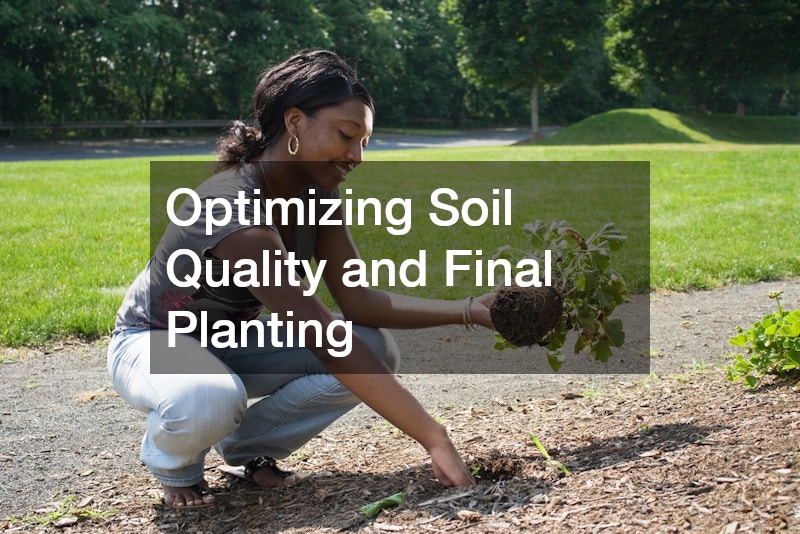
The final phase of a full-service upgrade is the most satisfying part of the process: the introduction of life. However, before the first tree is planted or the first roll of sod is laid, you must ensure the “living skin” of your yard is ready to support growth. Construction, clearing, and the use of heavy machinery often strip away the vital nutrients and microorganisms found in the upper layers of the soil, leaving behind a sterile, compacted environment where plants struggle to survive.
To rectify this, you should seek out high-quality topsoil for sale from a reputable supplier who can guarantee a nutrient-rich blend. This isn’t just “dirt”; it is a carefully screened mixture of organic matter, sand, and silt designed to promote rapid root growth and proper drainage. Spreading a fresh layer of four to eight inches of premium topsoil across your property is the single most effective way to ensure your new lawn remains green and resilient. It acts as a biological sponge for nutrients and a reservoir for moisture during the dry season, providing the foundation for everything that grows above it. Healthy soil leads to healthy plants, which in turn require fewer pesticides and fertilizers over time.
Once the soil is prepped, you will need a variety of lawn and garden supplies to put the finishing touches on the project. This includes everything from high-quality grass seed and slow-release fertilizers to landscape fabric and premium mulch that suppresses weeds and retains moisture. The planting phase should follow a “top-down” approach, beginning with the largest trees and shrubs that require the most space and have the most significant impact on the yard’s future light levels. Next, you can focus on perennial beds, grouping plants by their water and light needs—a technique known as hydro-zoning—to make future maintenance more efficient. Finally, groundcovers and edging are used to define the borders between your lawn and your garden beds, followed by the installation of the turf. Whether you choose sod for an instant lawn or seed for a custom blend, ensure it is laid on perfectly leveled soil to prevent future “scalping” during mowing.
Achieving Long-Term Landscape Maturity
A comprehensive lawn care upgrade is a major undertaking that rewards the patient and detail-oriented homeowner. By moving through these phases—from the initial site audit to the final application of mulch—you create an outdoor environment that is built on a foundation of quality and technical precision. The success of a large-scale renovation is not just measured by how the yard looks on the day the contractors leave, but by how it matures and thrives over the following five to ten years. A yard that is engineered correctly will only become more beautiful as the trees grow and the garden beds fill in.
When you invest in professional clearing, smart irrigation, and high-quality soil, you are reducing the amount of labor and resources required to keep the yard beautiful in the future. A well-planned landscape is naturally more resistant to drought, pests, and disease because the plants are healthy and the environment is balanced. It becomes a place of pride and a sanctuary for the family, proving that when it comes to the home, the most valuable square footage is often located right outside the back door. Take the time to plan every detail, hire the right experts for the technical tasks, and never settle for substandard materials when building the landscape of your dreams. With the right foundation, your outdoor space will provide a lifetime of enjoyment and a significant boost to your property’s value.