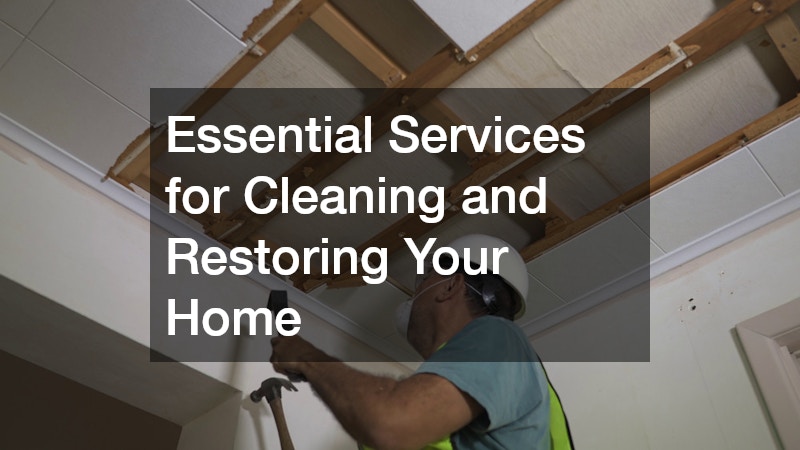
A home is more than just a physical structure; it is a sanctuary, a storehouse of memories, and often a family’s most significant financial asset. However, the passage of time, the accumulation of “stuff,” and the unpredictable nature of environmental damage can quickly transform a peaceful haven into a source of stress. Whether you are dealing with a basement that has slowly filled with decades of forgotten boxes or a sudden pipe burst that has left your living room underwater, the road to recovery requires a strategic approach.
The weight of a cluttered or damaged home is both physical and emotional. Living in a space that feels chaotic or unsafe can lead to increased cortisol levels, reduced productivity, and a general sense of unease. Conversely, a restored and organized home provides a “reset” for the mind. This guide is designed to bridge the gap between simple surface cleaning and professional-grade restoration. We will explore how to reclaim your square footage, mitigate the devastating effects of water, and eliminate the hidden biological hazards that can compromise your family’s health. By understanding when to roll up your sleeves and when to call in the experts, you can ensure your home remains a safe, vibrant, and valuable place to live.
Reclaiming Your Square Footage: The Art of the Deep Purge
Most homeowners don’t realize how much space they have actually lost until they begin the process of a deep purge. Over years, guest rooms become “storage rooms,” and garages become obstacle courses of holiday decor and half-finished DIY projects. The first step in any restoration or major cleaning project is a ruthless audit of your belongings. This isn’t just about throwing away trash; it’s about making intentional decisions about what adds value to your life today. To start, implement a “Zone-Based Audit.” Instead of looking at the whole house, focus on one area—like the attic or the spare bedroom. Categorize every item into four groups: Keep, Donate, Sell, or Discard. If you find yourself paralyzed by indecision, particularly with items that aren’t trash but don’t have a current home, consider the logistics of a transition that removes the immediate burden of the object from your living environment.
Utilizing temporary off-site buffers can be a transformative strategy for those who are struggling with the sheer volume of their possessions. For items that you are certain you want to keep but currently lack the space for—perhaps during a home renovation or a deep cleaning cycle—looking into storage rentals can be a lifesaver. This removes the physical clutter from your workspace, allowing you to clean the actual structure of the home, including floors, baseboards, and walls, without moving boxes from one side of the room to the other. This external space acts as a pressure valve, giving you the clarity to organize your primary residence without the distraction of overflow.
Scaling your waste disposal is equally important when the project moves beyond a simple closet clean-out. If your purge involves clearing out an entire floor or removing old carpet and lath-and-plaster, a standard kitchen bin won’t suffice. Arranging for a dumpster rental is often the most cost-effective way to manage high volumes of debris. Having a dedicated container on your driveway encourages momentum; you are more likely to toss that broken laminate desk or ruined area rug if the means to dispose of it is right outside your door. This prevents the “piling up” effect where trash simply moves from the inside of the house to the porch, creating a secondary mess that is just as stressful as the first.
The Heavy Lift: Streamlining Debris and Large-Item Removal
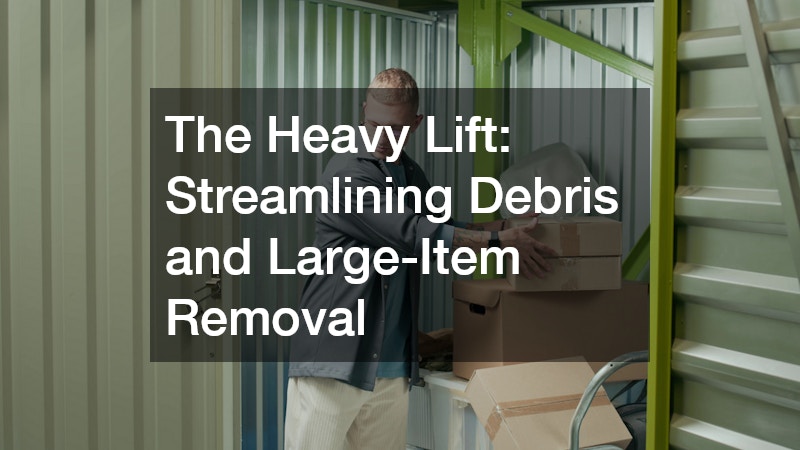
Once you have identified the items that need to go, the next challenge is the physical labor of moving them. Many homeowners stall at this stage because the items are too heavy, the local trash service won’t take them, or they don’t have a vehicle large enough to haul them to a local facility. This is where specialized clearing services become essential. Professional teams do more than just lift heavy objects; they provide a logistical solution to a messy problem. They understand the regulations regarding e-waste, hazardous materials like old paint or chemicals, and the proper way to recycle metal and appliances.
Efficient clearing for large projects is particularly necessary when you are faced with a “clean-out” scenario, such as preparing a home for sale or clearing an estate. In these high-pressure situations, a full-service junk removal service is invaluable. These professionals handle the sorting and the heavy lifting, which prevents personal injury and significantly speeds up the timeline of your project. Instead of spending weeks making multiple trips to a donation center or a landfill, you can have a team of experts clear an entire basement or attic in a matter of hours, allowing you to move on to the actual cleaning or repair phase of the restoration.
Maintaining professional logistics is a key component of any successful renovation or major organizational shift. For smaller but still significant loads, or for ongoing renovation projects where debris is generated over several days, hiring experienced junk haulers ensures that your property doesn’t become an eyesore or a safety hazard. These professionals have the specialized vehicles and the labor force to manage items like old mattresses, large appliances, and construction waste that municipal services often refuse. By outsourcing this labor, you ensure that your focus remains on the design and comfort of your home rather than the logistics of waste management.
Emergency Response: Mitigating Water and Structural Damage
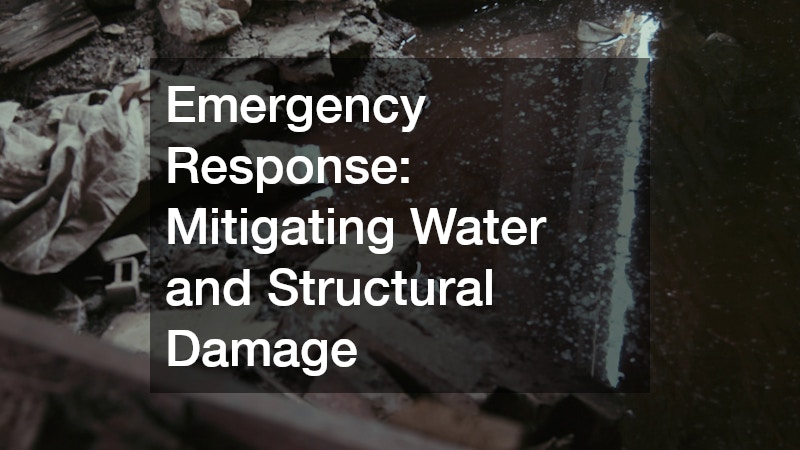
While cleaning is often a choice, restoration is usually a necessity born from a crisis. Water is the most common cause of property damage, and it is also the most insidious. Whether it is a slow leak behind a dishwasher or a major flood from a burst pipe, water compromises the structural integrity of your home almost immediately. Wood swells, drywall loses its strength, and insulation becomes a breeding ground for pathogens. The key to successful recovery is speed. The “Golden 24 Hours” is the window in which you have the best chance to dry out materials before permanent damage and fungal growth set in.
Technical mitigation is the first step in reclaiming a water-damaged space. True recovery requires more than just mopping up the floor or pointing a household fan at a wet patch. It involves professional water damage restoration techniques, which include using advanced moisture meters to find “hidden” water trapped behind walls and under subfloors. Professionals use industrial-grade air movers and LGR (Low Grain Refrigerant) dehumidifiers to pull moisture out of the air and the building materials themselves. This scientific approach to drying is the only way to ensure that the internal structure of the home is truly stable and that you aren’t simply sealing moisture inside the walls.
Once the environment is stabilized and the humidity levels have returned to normal, the focus shifts to aesthetics and long-term stability. This is the reconstruction phase, where comprehensive restoration services handle the “put-back” of the home. This includes replacing ruined drywall, sanding and refinishing hardwood floors, and ensuring that the new materials blend seamlessly with the untouched parts of the house. By using a full-service firm, you ensure that the people who dried the house are communicating effectively with the people who are rebuilding it, resulting in a more cohesive and durable repair.
Biological Safety: Detecting and Eliminating Mold Growth
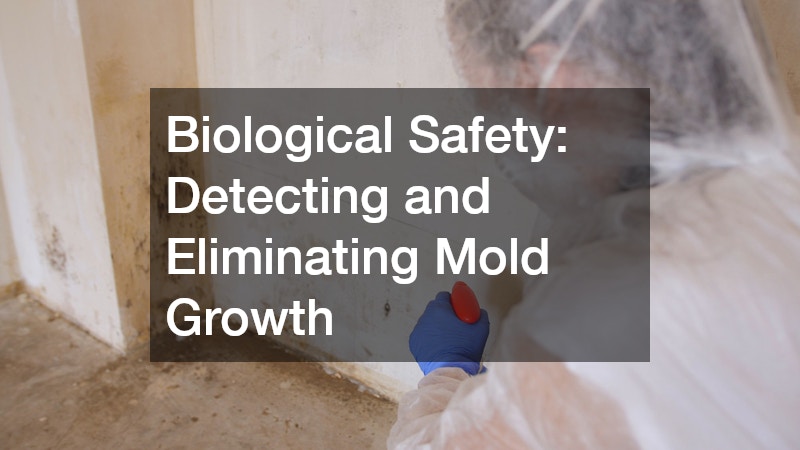
Where there is moisture, there is almost always a risk of mold. Mold is not just a cosmetic issue; it is a biological contaminant that can cause significant respiratory distress, allergic reactions, and long-term health complications. Many homeowners try to “wipe away” mold with bleach, but this often only addresses the surface spores while the hyphae, which are the fungal roots, remain embedded in porous materials like wood or drywall. Identifying a mold problem often begins with the senses. If a room has a persistent earthy, musty smell, or if family members experience chronic sneezing or coughing that clears up when they leave the house, you likely have a hidden colony that requires professional intervention.
A successful mold remediation process involves strict containment and precision cleaning. This means sealing off the affected area with heavy-duty plastic sheeting and using HEPA-filtered air scrubbers to ensure that spores released during the cleaning process do not migrate to the rest of the house. Technicians must physically remove the mold colonies and sanitize the remaining surfaces with specialized antimicrobial agents. This process ensures that the air quality in the home is returned to a safe level and that the microscopic spores are not simply redistributed throughout the ventilation system.
Addressing the root cause of the infestation is the final and most critical step. It is fundamentally pointless to clean mold if you don’t fix the leak or humidity issue that allowed it to grow in the first place. Comprehensive mold cleanup involves a “source-to-surface” approach where technicians identify the moisture intrusion point, such as a leaky roof, a poorly ventilated bathroom, or a foundation crack. By repairing the structural flaw before finishing the sanitization, you guarantee that the home will remain fungus-free for years to come.
High-Risk Scenarios: Handling Toxic Contaminants and Bio-Hazards
In some cases, the situation exceeds the capabilities of standard cleaning or basic remediation. This is particularly true when dealing with highly toxic strains of fungi or environments that have been exposed to sewage, chemical spills, or long-term neglect. These scenarios require specialized training and equipment to ensure the home is returned to a “clearance” level of safety. Toxic mold, often characterized by a slimy, dark appearance, is particularly dangerous because it produces mycotoxins. These are chemical byproducts that can be neurotoxic or immunosuppressive, making the removal process a high-stakes endeavor for the health of the occupants.
When dealing with these high-risk infestations, it is critical to hire black mold removal companies. These specialists follow specific protocols, such as “Level 3” containment and aggressive removal of all porous materials within a certain radius of the growth. They wear full-body suits and respirators to prevent ingestion or inhalation of mycotoxins, and they use specialized vacuums and wipes to clear the surfaces of the home. Because toxic mold can be so resilient, the verification process usually involves third-party air quality testing to prove that the home is truly safe for habitation once the work is complete.
In more extreme cases, such as sewage backups, crime scenes, or hoarding situations, the home may require professional decontamination services. This involves the use of hospital-grade disinfectants and specialized fogging machines that can reach into every crack and crevice to neutralize bacteria, viruses, and odors. This level of cleaning is about more than just appearance; it is about making the home biologically sterile. These professionals understand how to handle bio-hazardous waste safely and legally, ensuring that the property is not only clean to the eye but safe on a microscopic level.
Maintaining the Momentum: A Plan for the Future

Restoring a home is an intensive process, but maintaining it is a lifestyle that requires consistent attention. Once the professional crews have left and the air is clear, the goal shifts to prevention. A proactive maintenance schedule can prevent the need for major restoration in the future. Homeowners should conduct quarterly inspections, performing a “wet walk” of the property every three months. This involves checking under every sink, behind the toilet, and around the water heater for any signs of moisture, no matter how small. Identifying a slow drip early can prevent thousands of dollars in drywall and floor repairs.
Humidity control and proper ventilation are the two most powerful tools in your maintenance arsenal. It is essential to keep your indoor humidity levels between 30% and 50% year-round. In damp climates or during the summer months, running a high-capacity dehumidifier in the basement or crawlspace can prevent mold from ever getting a foothold. Additionally, ensure that all kitchen and bathroom fans are vented directly to the outside, not just into the attic space. Proper airflow and moisture management are your best defenses against biological growth and structural decay. By staying vigilant and addressing small issues before they escalate, you can preserve the integrity and comfort of your home indefinitely.
Cleaning and restoring a home is a journey of transformation. It begins with the difficult task of letting go of the past—clearing out the physical clutter that prevents you from moving forward. It continues through the technical challenges of drying out structures and sanitizing surfaces. While the process can be daunting, the result is a home that is truly a refuge. By utilizing professional expertise for the heavy lifting, the technical drying, and the hazardous cleanups, you protect your health and your investment. A clean, restored home is not just a better place to live; it is a foundation for a healthier, more organized life. Take the first step today, whether it is labeling a shut-off valve or finally scheduling that long-overdue garage clear-out. Your future self will thank you for the effort.