Key Takeaways
- Choose tile materials based on durability, water resistance, maintenance needs, and where they will be installed in the bathroom.
- Ceramic and porcelain tiles offer versatile, long-lasting options, while natural stone provides a more luxurious appearance with added upkeep.
- Glass and mosaic tiles are excellent for adding decorative accents and visual interest without overwhelming the space.
- Large-format tiles create a clean, modern look and can make smaller bathrooms appear more spacious.
- Select slip-resistant flooring to improve safety, especially in areas that are frequently exposed to water.
- Coordinate tile colors, sizes, and textures with your bathroom fixtures to achieve a balanced and cohesive design.
- Include installation materials, grout, waterproofing, and extra replacement tiles when planning your renovation budget.
Updating your bathroom is one of the best ways to improve both the appearance and value of your home. While features like vanities, lighting, and fixtures often get the most attention, the tiles you choose have one of the biggest impacts on the room’s style, durability, and functionality. Bathroom tiles cover large surfaces, protect walls and floors from moisture, and help define the overall design of the space.
With so many materials, sizes, colors, and finishes available, choosing the right bathroom tile can feel overwhelming. Some tiles are better suited for floors, while others are ideal for shower walls or decorative accents. Understanding the strengths and weaknesses of each option can help you make a smart investment that fits both your budget and lifestyle.
Whether you’re planning a complete bathroom remodel or simply replacing outdated finishes, this guide explains the most common types of bathroom tiles and what to consider before making your final decision.
Why Bathroom Tile Selection Matters
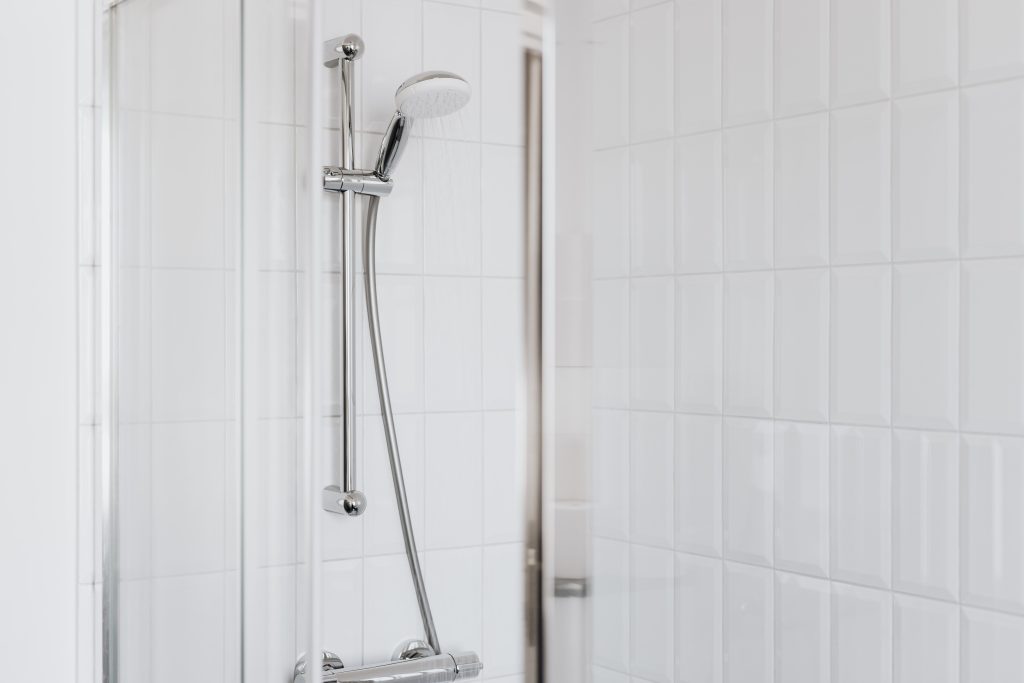
Bathrooms experience constant exposure to moisture, humidity, soap, and changing temperatures. Unlike living rooms or bedrooms, bathroom surfaces must withstand daily wear while remaining easy to clean and resistant to water damage.
The right tile protects your walls and floors from moisture while providing a durable finish that can last for decades. Good tile choices also make maintenance easier by resisting stains, mold, and mildew.
Beyond function, tile has a major influence on the room’s appearance. The size, color, texture, and layout of your tile can make a small bathroom feel larger, create a spa-like atmosphere, or add timeless elegance.
Choosing carefully now can help reduce maintenance and replacement costs later.
Bathroom tiles should provide:
- Water resistance
- Durability
- Easy cleaning
- Slip resistance where needed
- Long-lasting style
- Good value
Ceramic Tile: A Budget-Friendly Favorite
Ceramic tile is one of the most popular choices for bathrooms because it combines affordability with versatility. Made from clay and fired at high temperatures, ceramic tile comes in countless colors, patterns, and finishes.
It works especially well on bathroom walls, backsplashes, and lightly used floors. Ceramic is relatively easy to install and maintain, making it a practical option for many homeowners.
While ceramic tile is durable, it is generally softer than porcelain, meaning it may chip more easily under heavy impact. However, for many residential bathrooms, it provides an excellent balance between cost and performance.
Its wide range of design options allows homeowners to create everything from traditional to modern interiors.
Ceramic tile advantages include:
- Affordable pricing
- Many color choices
- Easy maintenance
- Simple installation
- Good moisture resistance
Porcelain Tile: Durable and Versatile
Porcelain tile is often considered one of the best overall materials for bathrooms. Although similar to ceramic, porcelain is manufactured using denser clay and fired at higher temperatures, making it harder and less porous.
Its superior durability makes it an excellent choice for bathroom floors, shower walls, and even high-traffic areas throughout the home.
Porcelain also comes in designs that realistically imitate wood, marble, natural stone, and concrete. These realistic finishes allow homeowners to enjoy the appearance of premium materials without the same maintenance requirements.
Although porcelain usually costs more than ceramic, its longevity often makes it a worthwhile investment.
Porcelain tile benefits include:
- Excellent durability
- Low water absorption
- Suitable for floors and walls
- Wide design selection
- Long lifespan
Natural Stone Tile Creates Timeless Beauty
Natural stone adds elegance and character that manufactured materials often cannot fully replicate. Marble, slate, travertine, limestone, and granite each offer unique colors and natural patterns.
Stone tiles create luxurious bathrooms that remain stylish for many years. Every piece has its own distinct appearance, making each installation one of a kind.
However, natural stone typically requires more maintenance than ceramic or porcelain. Many stone surfaces should be sealed regularly to help prevent staining and moisture absorption.
Homeowners who appreciate natural materials often find the additional maintenance worthwhile for the beauty stone provides.
Popular natural stone options include:
- Marble
- Slate
- Travertine
- Limestone
- Granite
Glass Tile Adds Light and Style
Glass tile is commonly used as an accent rather than covering entire bathroom floors or walls. Its reflective surface helps brighten the room by bouncing natural and artificial light throughout the space.
Glass tiles are available in countless colors, shapes, and mosaic designs. They work especially well for shower niches, decorative borders, backsplashes, and feature walls.
Because glass is nonporous, it naturally resists moisture and staining. However, fingerprints and water spots may become more visible, requiring regular cleaning to maintain its sparkle.
Adding small amounts of glass tile can create a dramatic visual impact without greatly increasing your renovation budget.
Glass tile works well for:
- Shower accents
- Decorative borders
- Backsplashes
- Mosaic designs
- Feature walls
Mosaic Tile Offers Endless Design Possibilities
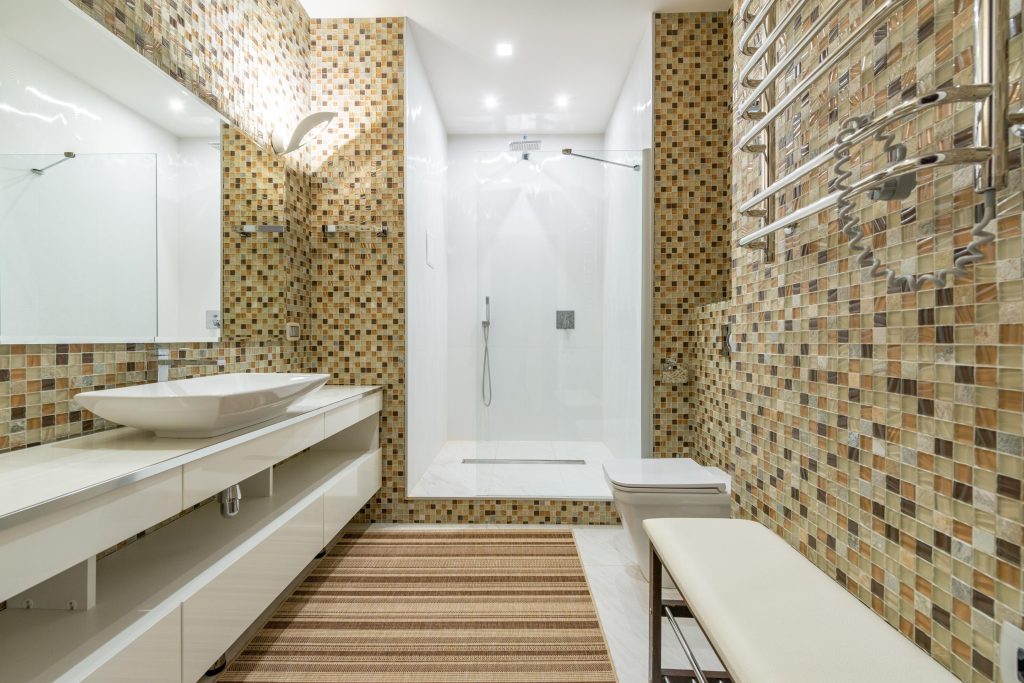
Mosaic tiles consist of many small pieces arranged on mesh backing sheets, making installation more manageable than placing each individual tile separately.
Available in ceramic, porcelain, glass, stone, and metal, mosaics provide tremendous design flexibility. Homeowners often use them to create decorative shower floors, accent walls, backsplashes, or artistic patterns.
Because mosaic installations contain more grout lines, they generally provide better slip resistance on shower floors than large-format tiles.
Their versatility allows homeowners to personalize bathrooms while adding visual interest.
Popular mosaic uses include:
- Shower floors
- Accent walls
- Decorative niches
- Vanity backsplashes
- Borders
Large-Format Tiles Create a Spacious Look
Large-format tiles have become increasingly popular in modern bathroom design. Their larger dimensions reduce the number of grout lines, creating a cleaner and more seamless appearance.
Fewer grout joints also make cleaning easier because there are fewer areas where dirt and mildew can accumulate.
Large tiles can make small bathrooms appear more spacious by reducing visual interruptions across the floor and walls. Many contemporary bathrooms use oversized porcelain tiles to achieve a sleek, luxurious style.
Professional installation becomes especially important with large-format tiles to ensure a perfectly level surface.
Benefits of large-format tiles include:
- Fewer grout lines
- Easier cleaning
- Modern appearance
- Spacious visual effect
- Minimalist style
Don’t Forget About Slip Resistance
While appearance is important, safety should never be overlooked when choosing bathroom flooring. Wet floors increase the risk of slips and falls, making texture an important consideration.
Glossy tiles may look beautiful on walls, but textured or matte finishes usually provide better traction underfoot. Manufacturers often publish slip-resistance ratings that help homeowners compare products.
Choosing appropriate flooring contributes to making your home safer to live in, especially for children, older adults, and anyone with mobility concerns. Combining slip-resistant flooring with bath mats and proper ventilation creates an even safer bathroom environment.
Prioritizing safety does not mean sacrificing style, as many attractive tile options offer excellent grip.
Ways to improve bathroom safety include:
- Choose textured floor tiles
- Use bath mats
- Install grab bars if needed
- Keep floors dry
- Improve ventilation
Consider Maintenance Before Choosing Tile
Every tile material requires some level of maintenance, but the amount varies considerably depending on your selection.
Ceramic and porcelain generally require little more than routine sweeping and occasional mopping. Glass tiles benefit from regular wiping to reduce water spots.
Natural stone usually needs periodic sealing and specialized cleaning products that won’t damage its finish.
Grout maintenance is equally important regardless of tile type. Sealing grout lines and cleaning them regularly helps prevent discoloration and mold growth.
Selecting a tile that matches your maintenance preferences ensures you’ll continue enjoying your bathroom for years.
Maintenance tips include:
- Sweep regularly
- Mop with gentle cleaners
- Seal natural stone
- Clean grout frequently
- Repair damaged grout promptly
Coordinate Tile With Your Bathroom Design
Tile should complement the rest of your bathroom rather than compete with it. Consider how your flooring, walls, vanity, fixtures, mirrors, and lighting work together to create a balanced appearance.
Neutral colors such as white, gray, beige, and soft earth tones remain popular because they adapt well to changing décor over time. Bold colors and decorative patterns can be incorporated through accent walls or smaller mosaic features.
Mixing tile sizes and textures adds visual interest while maintaining a cohesive design.
Planning the overall look before purchasing materials helps prevent costly design mistakes.
Design considerations include:
- Color coordination
- Tile size
- Grout color
- Fixture finishes
- Lighting
- Overall style
Budget for More Than Just Tile
When planning your bathroom upgrade, remember that tile represents only one portion of the total project cost.
Additional expenses may include underlayment, waterproofing materials, grout, sealers, trim pieces, adhesives, demolition, and professional installation if you choose not to complete the work yourself.
Purchasing a small amount of extra tile is also recommended in case future repairs become necessary. Matching discontinued tile years later can be difficult.
Creating a realistic budget helps avoid unexpected costs during the renovation.
Your budget should include:
- Tile materials
- Adhesives
- Grout
- Waterproofing products
- Installation
- Extra replacement tiles
Final Thoughts
Choosing the right bathroom tile is about finding the balance between style, durability, maintenance, and budget. Ceramic provides an affordable and versatile solution, porcelain offers outstanding durability, natural stone delivers timeless elegance, glass creates beautiful accents, and mosaics allow for creative customization. Large-format tiles, meanwhile, continue to grow in popularity for their clean, modern appearance and easy maintenance.
Beyond aesthetics, consider how each tile will perform in your daily routine. Water resistance, slip protection, cleaning requirements, and long-term durability are just as important as color or pattern. Taking the time to evaluate your options carefully will help you select materials that continue to look beautiful while standing up to years of daily use.
A well-planned bathroom upgrade not only refreshes your home’s appearance but also creates a more comfortable, functional, and valuable living space. By choosing the right tile for each area of your bathroom, you can enjoy an attractive design that remains practical and durable for many years to come.