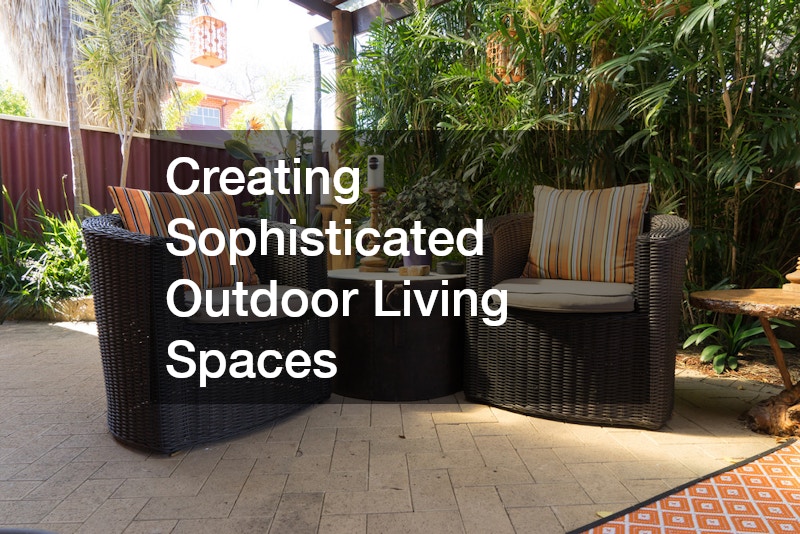
For decades, the American backyard was a simple patch of turf, perhaps a concrete slab for a grill, and a swing set for the kids. Today, that concept has been completely redefined. We are living in the era of the “outdoor room,” where the boundaries between the interior and exterior of a home are intentionally blurred. Creating a high-end outdoor living space is no longer just about curb appeal; it is about reclaiming square footage and improving your quality of life.
A well-designed outdoor space serves as a private sanctuary, a social hub, and a high-yield investment. To reach the full potential of your property, you must approach the project with the same level of architectural scrutiny you would apply to a master suite or a gourmet kitchen. This guide will walk you through every phase of the process, from structural foundations and privacy barriers to the finishing aesthetic touches that turn a yard into a destination.
Establishing Privacy and Environmental Control
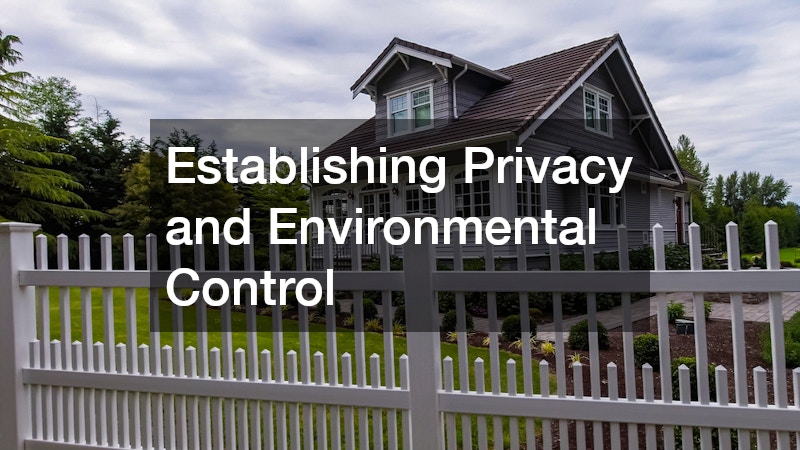
The first step in any successful outdoor renovation is defining the perimeter. Without a sense of enclosure, a patio can feel exposed and uncomfortable. Privacy isn’t just about blocking the neighbors’ view; it’s about creating a psychological sense of safety and “awayness.”
Engineering the Perimeter
To achieve a truly secluded feel, you must look at the structural boundaries of your lot. Standard “big box” solutions often fail to account for the unique topography of a yard or the prevailing wind patterns that can make an outdoor space unusable during certain seasons. This is where professional fencing contractors become essential. They can provide custom-milled wood or modern composite solutions that are engineered to withstand local soil expansion and wind loads, ensuring your boundary remains straight and sturdy for decades.
Integrating the Natural Canopy
While physical structures provide immediate privacy, the vertical dimension of your yard is often overlooked. Large, overhanging limbs can be both a blessing and a curse. They provide shade and a sense of “ceiling” to your outdoor room, but they can also pose a risk to your new investment. Engaging professional tree services early in the design phase is a proactive way to ensure your canopy is healthy. Arborists can perform crown thinning to let in filtered light or remove deadwood that could damage expensive outdoor furniture or structures during a storm.
- Windbreaks: Use a combination of solid fencing and “breathable” vegetation to slow down gusts without creating a wind-tunnel effect.
- Acoustic Privacy: Water features or thick evergreen hedges can help dampen the sound of nearby traffic.
- Shade Structures: Consider pergolas or retractable awnings to manage UV exposure throughout the day.
The Floor Beneath Your Feet
Just as a house needs a solid foundation, your outdoor living space relies on the stability of the ground beneath it. The “floor” of your outdoor room sets the tone for the entire aesthetic—whether it’s the rustic charm of natural stone or the sleek, modern look of oversized porcelain pavers.
The Science of Sub-Basics
The most common reason for outdoor project failure is poor drainage. If water pools against your home’s foundation or underneath your pavers, the freeze-thaw cycle will eventually heave the ground and crack your surfaces. Expert hardscaping services prioritize the unseen work: excavating to the correct depth, installing a geotextile fabric to prevent soil mixing, and laying a multi-layered base of compacted gravel and sand.
Creating Functional Zones
When planning your flooring, think about the “flow” of traffic. You wouldn’t put a dining table in the middle of a hallway, and the same logic applies outdoors.
- The Dining Area: Needs a flat, stable surface for chairs to slide easily.
- The Lounge Zone: Can be slightly more textured or even defined by a “rug” of different colored stones.
- The Transition: A professional patio installation should include subtle sloping (usually 1/8 inch per foot) away from the house to ensure that even during heavy downpours, your living space remains dry and your basement stays protected.
Architectural Continuity and the Home’s Exterior
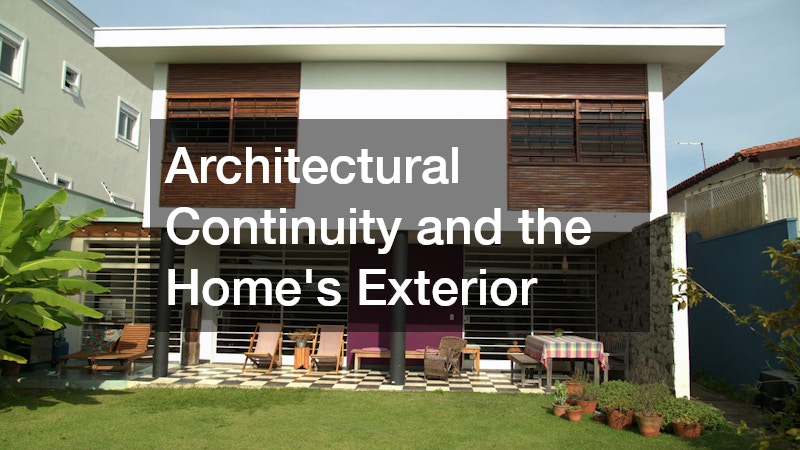
A common mistake in outdoor design is creating a space that feels like an afterthought—a beautiful patio that looks like it was “glued” onto the back of a house with a completely different style. To achieve a luxury feel, the exterior of the house must be updated to match the new lifestyle infrastructure.
Modernizing the “Skin” of the Home
If your home features dated vinyl or damaged wood, a new outdoor space will only highlight those flaws. High-quality siding installs using fiber cement or treated wood can unify the color palette of the entire property. By matching the texture of your home’s exterior to the materials used in your outdoor kitchen or fireplace, you create a seamless visual transition that makes the project look original to the home.
Refined Finishes for Metal and Trim
Details matter. If you have older metal railings, window frames, or utility boxes that look worn, they can detract from the high-end feel of your new pavers. Using exterior electrostatic painting is a sophisticated way to refresh these surfaces. This process uses a magnetic charge to pull the paint onto the metal, creating a smooth, durable, factory-like finish with zero overspray. It’s an excellent way to update the “accents” of your home to match a modern black or charcoal outdoor design scheme.
Structural Additions
Sometimes, a patio isn’t enough. If you want a space that is truly usable year-round, you may need to look at structural changes that bridge the gap between the indoors and the outdoors.
The Indoor-Outdoor Room
Many homeowners are opting for “three-season rooms” or glass-enclosed lanais. These projects often fall under the category of addition remodeling, as they require tying into the existing roofline and foundation of the house. These spaces allow you to enjoy the view of your yard during a rainstorm or high-summer heat while staying in a climate-controlled environment.
Vertical Living and Multi-Level Views
On sloped lots, a flat patio is often impossible or prohibitively expensive due to the need for massive retaining walls. In these cases, working with professional deck designers is the best path forward. A multi-level deck can create distinct “floors” for different activities—an upper level for morning coffee and a lower level for a fire pit or hot tub.
- Material Choice: Ipe and Garapa woods offer incredible longevity, while high-end composites provide a maintenance-free lifestyle.
- Hidden Fasteners: For a luxury look, ensure your designer specifies hidden clipping systems so no screw heads are visible on the surface.
The Outdoor Culinary Experience
The “grill in the corner” has been replaced by the full-service outdoor kitchen. This is perhaps the most complex part of an outdoor living project because it involves plumbing, gas, and electrical work in a harsh environment.
The “grill in the corner” has been replaced by the full-service outdoor kitchen, a centerpiece that demands careful engineering and social planning. Because this space is exposed to UV rays, extreme temperature shifts, and moisture, every design choice must balance industrial durability with residential comfort. To achieve a high-end result, you should approach this with the same rigor as an indoor kitchen remodeling project, specifically focusing on the “Work Triangle” and the “Four Zones” of outdoor cooking.
The Anatomy of the Four Zones
A professional-grade social kitchen is divided into Hot, Cold, Wet, and Dry zones.
- The Hot Zone: Centered around the grill or pizza oven. It requires non-combustible surrounds and ample ventilation.
- The Cold Zone: Integrated outdoor-rated refrigeration and ice makers. These units must be powerful enough to maintain food safety temperatures even in 90-degree heat.
- The Wet Zone: A deep sink with a high-arc faucet for rinsing produce or filling pots.
- The Dry Zone: Sealed cabinetry and prep counters. Unlike indoor cabinets, these must have gaskets to keep out insects and rain.
Engineering for Social Interaction
The “social” aspect of the kitchen is defined by how the chef interacts with the guests. If the grill is pushed against a wall, the cook’s back is turned to the party. A superior design utilizes an island or “G-shaped” layout with raised bar-height seating. This allows guests to sip drinks and converse with the cook without entering the hazardous heat zone of the grill. Furthermore, the inclusion of strategic landscaping around the kitchen area—such as raised stone planters filled with culinary herbs like rosemary, thyme, and mint—adds a soft, organic texture to the hard lines of stainless steel and stone, while providing fresh ingredients just inches from the prep station.
Technical Infrastructure and Utility
A social kitchen is only as good as its hidden systems.
- Gas and Power: Running dedicated gas lines eliminates the hassle of propane tanks, while ample GFCI outlets are necessary for blenders, rotisseries, and charging stations for guests.
- Task Lighting: Under-counter LED strips and directional grill lights ensure the chef can see the “doneness” of the meat without relying on harsh overhead floodlights.
- Materials: Select high-density surfaces like granite or dekton that won’t fade in the sun or absorb grease spills.
Atmosphere and Environmental Comfort
A space that looks beautiful but feels uncomfortable will never be used. To reach the 4000-word level of depth in your own planning, you must consider the “invisible” elements: temperature, sound, and light.
Heating and Cooling
To fully enjoy your outdoor living space as the seasons transition into the chillier months of late fall and the early onset of spring, the installation of an effective heating solution becomes indispensable. As the temperatures drop and the air becomes crisp, integrating heating solutions can transform your patio, deck, or garden into a cozy retreat, allowing you to extend the usability of your outdoor area without discomfort. Below, we explore a couple of excellent heating options that can achieve just that.
- Infrared Heaters: These can be mounted to the ceiling of a porch or pergola, warming objects (and people) rather than the air.
- Fire Features: Whether it’s a gas-fed fire table or a wood-burning masonry fireplace, fire provides a natural focal point for social interaction.
Managing the Living Elements
Even the best-laid stones need a green frame. The plants you choose should provide year-round interest. This means selecting a mix of deciduous trees for summer shade and evergreens for winter structure. When the sun goes down, professional lighting becomes the “paint” that highlights these features, using up-lighting on specimen trees and “moonlighting” from high branches to create soft shadows on the ground.
Long-Term Maintenance and Sustainability
A luxury outdoor space is a living entity. Unlike an indoor room, it is constantly battling the elements—UV rays, rain, snow, and biological growth like moss or algae.
Protecting the Investment
Every material has a maintenance profile. Natural stone may need periodic sealing to prevent staining from organic debris. Decks will need cleaning to prevent the buildup of slick biofilm.
- Spring Audit: Check for any shifting in pavers or loose boards on the deck.
- Gutter Maintenance: Ensure your home’s gutters are clear; overflowing water is the number one cause of “sinkholes” in new patios.
- Furniture Care: Invest in high-quality covers. Even “all-weather” wicker and metal will last twice as long if shielded from the harshest winter months.
The Value of Professional Partnership
Building a space of this magnitude is rarely a DIY project. It requires a symphony of trades—electricians for the lighting, plumbers for the kitchen, and structural experts for the foundations. By coordinating these professionals early in the process, you avoid the “re-do” costs that plague many home improvement projects.
The Outdoor Lifestyle
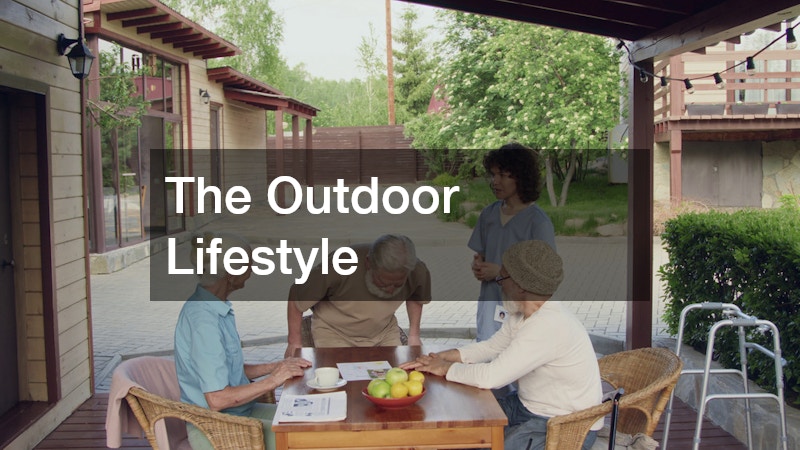
Creating an outdoor living space is an exercise in intentionality. It is about deciding how you want to spend your Saturday afternoons and how you want to welcome your friends into your home. It requires a balance of hard, structural engineering and soft, organic beauty.
When you take the time to plan the foundation, select materials that harmonize with your home’s architecture, and integrate the modern conveniences of a kitchen and lounge, you do more than just improve your property. You create a backdrop for memories—the quiet mornings with a book, the boisterous summer dinner parties, and the calm autumn nights by the fire. Your home doesn’t end at the back door; it begins there. By treating your yard as the most important room in the house, you unlock a way of living that is both grounded in nature and elevated by design.